







CSKT Tribal Council candidates speak on issues at forum
Hey savvy news reader! Thanks for choosing local.
You are now reading
1 of 3 free articles.
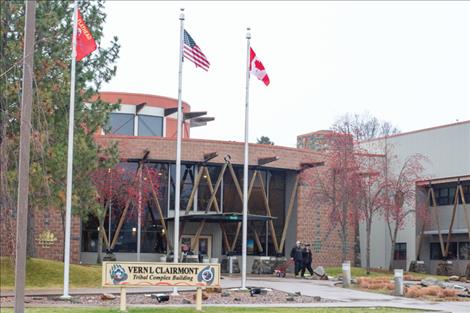
FLATHEAD RESERVATION — Members of the Confederated Salish and Kootenai Tribes of the Flathead Reservation will go to the polls Saturday, Dec. 13, to elect councilmembers to represent four districts and one at-large councilmember.
People can vote now in the main tribal headquarters, or they can vote on election day Dec. 13 at all the tribal senior centers across the reservation. Polls will be open from 8 a.m. to 8 p.m.
Districts to elect new councilmembers include Polson, Ronan, Elmo and Arlee. Voters at all polling places may vote for the at-large councilman.
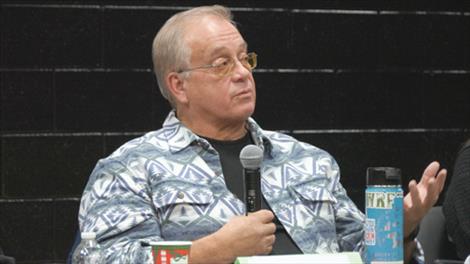
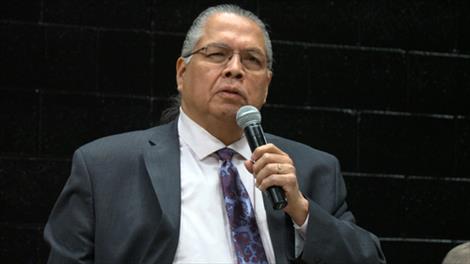
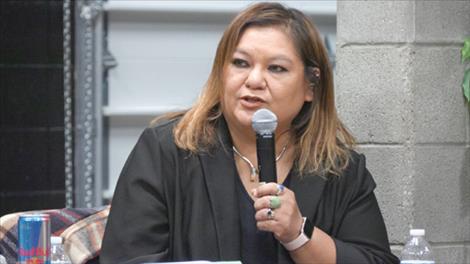
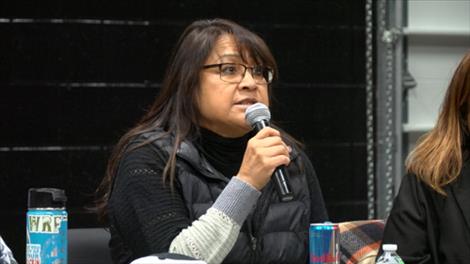
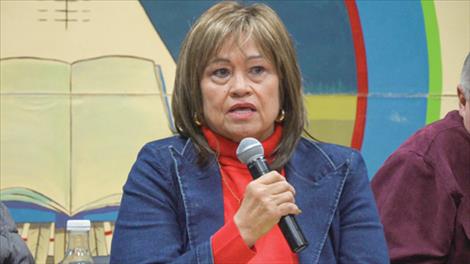
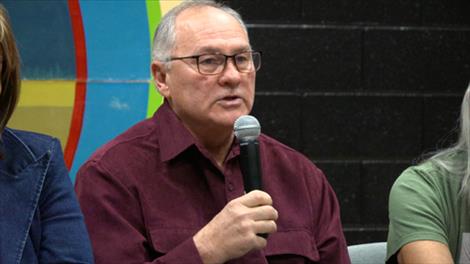
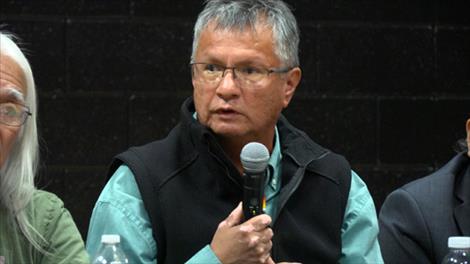
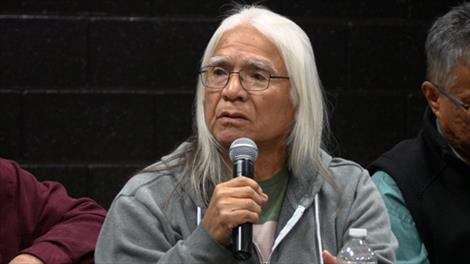
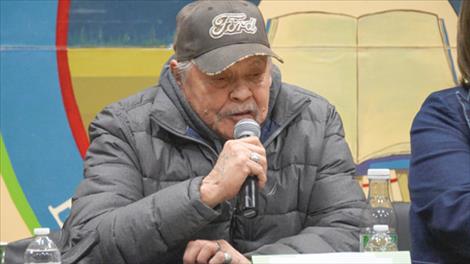
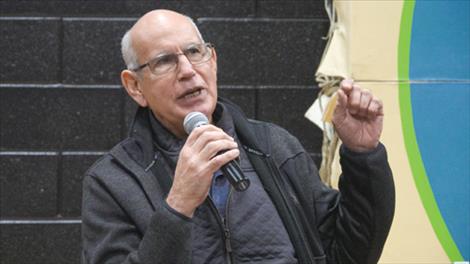
To make people more informed about the 10 candidates, a candidate forum was held Dec. 3. Danielle Matt, Dixon representative on Tribal Council who is head of the election committee, opened the event. Questions were asked by Ruth Swaney, tribal budget director, and Robert McDonald, CSKT communications director.
Candidates were asked a wide range of questions on such issues as top priorities, drug-affected children, preserving the homeland, council transparency and accountability, addressing addiction and homelessness, convincing 18- to 25-year-olds to vote and engaging Generation Z.
At-large
Tom McDonald, incumbent: He would like to see the tribe provide a free trade school so people would gain the skills to get good paying jobs in trades that are vital. He stressed the need to respect and protect the land and the peoples’ culture from outside influence and to preserve native language. He also emphasized the importance of giving back. “Try to be a role model.” As for Generation Z, technology is such a big part of their lives. “We need to maximize that.”
Sam Barnaby, challenger: He believes all struggle because of the hierarchy of people getting high dollars, leaving little for others. “It needs to start at the top.” Culture is “who we are, land and water are part of our identity, culture is part of all the decisions we make” and more of an effort needs to be made to teach that to the younger generation. He agrees that Generation Z needs to become a part of leadership. “Let them know they count.”
Polson
Jennifer Finley, incumbent: “We are part of the land and the land is part of us. Our homeland knows us, blesses us and it is our responsibility to protect it.” She suggested that the tribe could set its own minimum wage higher than the federal one. Apprenticeships and internships would provide pathways for upward mobility. Regular meetings between council and departments have improved communication and she commended the hiring of a communications director.
Jamie Pluff, challenger: Hold onto lands and expand ownership to protect tribal resources. Protect the children and the culture. Some people’s wages are way too high and others, often struggling families and single parents, should be paid more. She sees transparency as the council being open – all tribal members should know about basic issues such as the budget. Accountability is the need for council to have all the information it needs to make informed decisions.
Ronan
Carole Depoe Lankford, incumbent: Young adults just don’t vote – she was one of them until she learned it does make a difference. It’s up to the council to make sure young people understand the issues and how they impact them. As for drug-affected children, “first, don’t allow it.” Caring for drug-affected babies is costly and they can suffer problems for life. She understands as she has a special needs grandchild. It’s critical that people know “who we are and where we came from.” She’s seen huge changes in families when they learn the culture and language. “It changed me.”
Ronald Couture, challenger: He’s heard young people say they don’t think what council does affects them. “I’ve told them it does – jobs, homes, drug addiction programs – it all helps them.” As for drug-affected children, parents need to be made aware their abusing does affect their children whether they ingest the drugs or just from being around them. Those parents need to know help is available for them, places they can go, people they can talk to. The tribes have good language revitalization programs but he would like to see more people involved.
Elmo
Len Twoturtle, incumbent: Generation Z were born technologically advanced. “We need to engage them … we need to make the extra effort to get them in leadership roles.” He believes a lot of addiction and homeless issues start with how families are raised. “We would have a meeting every Monday and talk about a family that lost someone to overdose.” But he sees hope in such programs as Never Alone Recovery Support Services and seen people turn their lives around. Two projects are a top priority for him: get the Elmo store reopened - Elmo has gone without services too many years - and develop the Hot Springs project. “That water is important to the people. That water is medicine.”
Louis Junior Caye, challenger: “This group (Generation Z) thinks outside the box,” but they need to have instilled in them “who we are as a people, as a nation.” As for the problem of addictions, “I’m proof you can recover. I was a druggie and a drunk.” He attributes his recovery at least in part to learning about the ways of the people. A top priority is passing down knowledge of the people’s culture and language. Another priority is protecting the people’s identity. “We owe that to our ancestors who sacrificed to be here for us.”
Arlee
Jim Malatare, incumbent: To preserve the homeland, “we need to make sure we take care of everything we have. I think we’re on the right track but we need to keep pushing harder.” Since coming on the council, he has watched children affected by drugs and pushed for a treatment center. “We needed that here a long time ago. We need to get kids to a safe place, then work on the drug-addicted parents.” As for serving the people and the nation with transparency and accountability, “we need to have Indian heart, the Indian way. We need to protect our culture.”
Greg Dumontier, challenger: The reservation is 1.2 million acres, he noted. “I would rather see it smaller.” That would help the people better connect with the land and with each other. As it is, there’s a lot of competition from the non-tribal community. “We need control of our economy … look at economic development in order to secure the homeland for future generations.” As for drug-affected children, he said he doesn’t have the answers and believes the council should look to the experts, using the analogy that you wouldn’t expect an elected official to fix a toothache, you would go to someone with the expertise to fix it. If elected he would commit to monthly district meetings to improve transparency and accountability. “My visibility would be your visibility.”
